The call for unity in NPP rebuilding has never been louder. The New Patriotic Party (NPP), one of Ghana’s strongest political traditions, stands at a crossroads.
Like every great political movement, it faces challenges that can either break it apart or bind it together for even greater victories.
History shows us one clear truth: unity of purpose is the cornerstone of electoral success. Whenever unity prevailed, victory followed. But whenever division took root, defeat quickly entered.
From the legacies of Dr. Kofi Abrefa Busia, John Agyekum Kufuor, and Nana Addo Dankwa Akufo-Addo, to the cautionary tale of Hilla Limann’s surprising win, Ghana’s political journey continues to underline the unshakable value of unity.
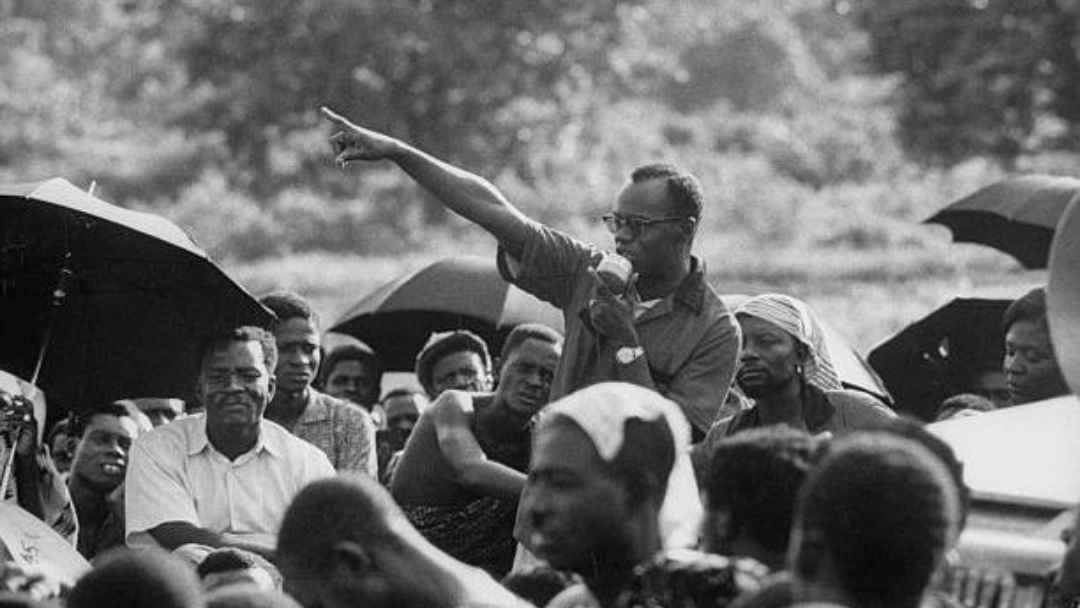
Dr. Abrefa Busia: A United Progress Party in 1969
Regarding the story of unity in the NPP rebuilding, I will begin with Dr. Kofi Abrefa Busia.
In 1969, as leader of the Progress Party, he led Ghana into the Second Republic. His victory was not merely the triumph of an individual but the collective success of a party that stood shoulder to shoulder.
The Progress Party, built on the foundations of the Danquah-Busia-Dombo tradition, presented itself as a disciplined and united front at a time when Ghanaians longed for stability after years of military rule.
Busia’s unity-driven victory reminds us that no matter how brilliant a candidate may be, the strength of the party lies in its ability to project one vision, one message, and one goal.
That cohesion carried him into power and placed Ghana back on the democratic path.
J.A. Kufuor: Unity and Teamwork Lead to Power
Fast forward to 2000, when Ghana once again stood on the brink of change. The NPP, after long years in opposition, had learned the hard way that divided parties do not win elections.
John Agyekum Kufuor became the face of the “Positive Change” campaign. His leadership style, rooted in consensus building, allowed the NPP to rally as one family.
The lesson here is clear: unity in NPP rebuilding means more than mere slogans. It implies discipline in communication, teamwork in execution, and sacrifice of personal ambition for the greater good.
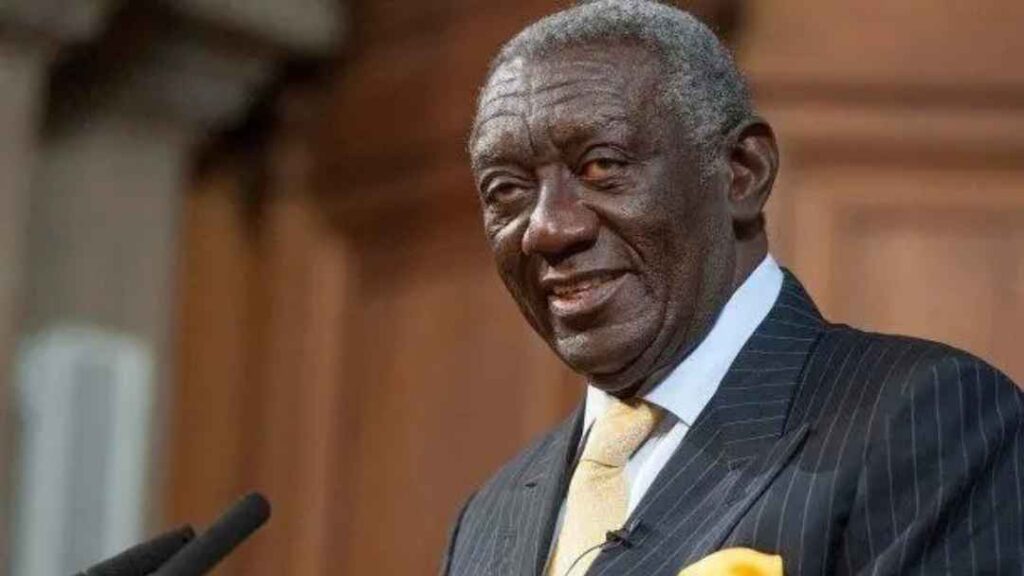
Kufuor’s ability to command respect while encouraging inclusion turned the NPP into a formidable force that won the presidency in 2000 and secured re-election in 2004.
Nana Akufo-Addo: Persistence Meets Unity
Nana Addo Dankwa Akufo-Addo’s story is one of resilience. After painful defeats in 2008 and 2012, many wondered if he would ever become president.
But in 2016, the NPP rediscovered the magic of unity. Factions and interest groups set aside their differences and rallied behind one message: “Change.”
The results were historic. Akufo-Addo won by one of the largest margins in Ghana’s Fourth Republic, showing that when the NPP is united, the voice of the people grows stronger.

The 2016 victory was not just about Akufo-Addo’s persistence; it was proof that unity within the NPP rebuilding is the single most powerful strategy a political party can employ.
Hilla Limann: A Warning from the Past
If unity can guarantee victory, disunity can equally hand over defeat, and we know this, for Ghana’s political history offers a striking example in Hilla Limann’s unexpected rise in 1979.
To remind ourselves, history is not only about victories but also about warnings.
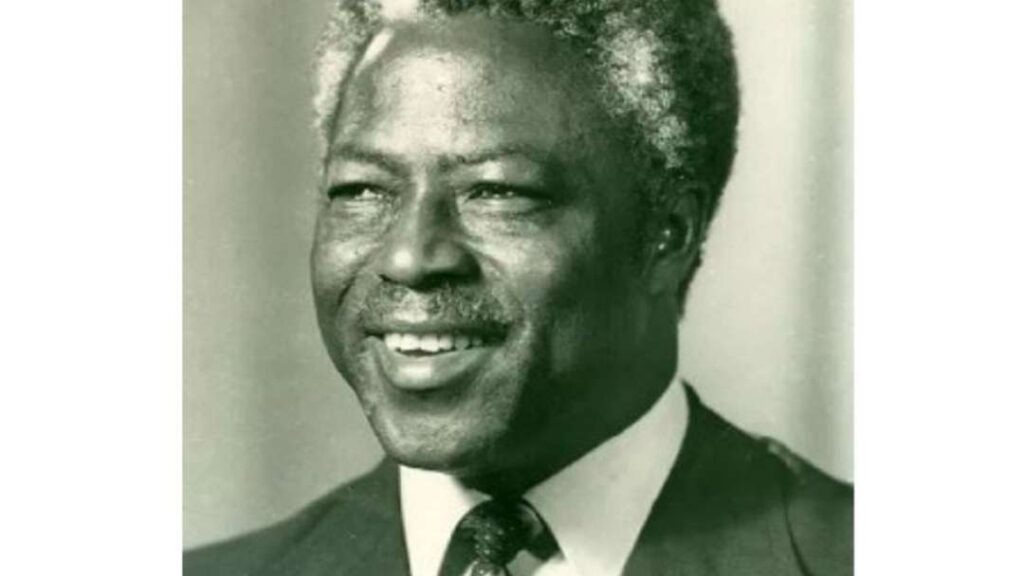
In 1979, Ghanaians witnessed the rise of Hilla Limann, leader of the People’s National Party (PNP). His victory shocked many observers because he was not the frontrunner. How did he win? The answer lies in disunity.
Victor Owusu, leader of the Popular Front Party (PFP), and William Ofori-Atta, affectionately called Paa Willie, both came from the Progress Party stock.
Instead of standing together, they allowed rivalry to split their movement. Their division weakened the Progress Party tradition and opened the door for Limann to win, after a second round of voting.
This painful lesson underscores the danger of internal conflict. No matter how strong a political tradition may be, disunity can hand victory to an opponent.
For today’s NPP, the story of Limann is not mere history but a cautionary mirror showing what could happen if rebuilding efforts are not centred on unity.
Why Unity in NPP Rebuilding Matters Now
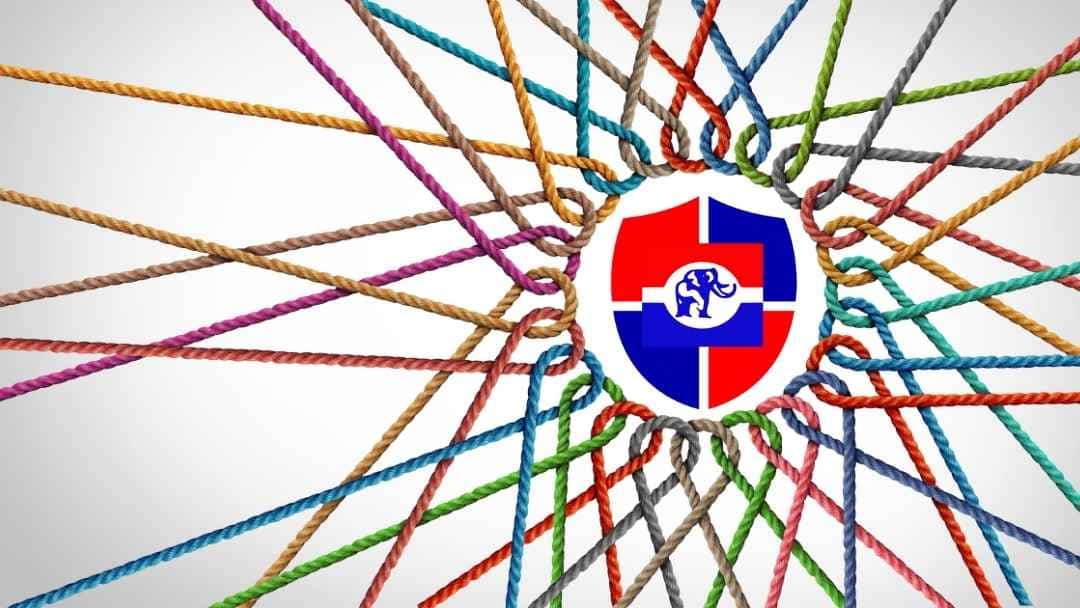
As the NPP looks ahead, the call for unity in NPP rebuilding must become a guiding principle.
What our beloved party has to know is that political rebuilding is not just about winning elections but about restoring trust, energising the grassroots, and preparing the next generation of leaders.
Without unity, rebuilding becomes a house divided, fragile, unstable, and easily broken.
Clement Brako Akomea
A united NPP can:
- Present a clear, unified message to the Ghanaian people.
- Motivate grassroots supporters to campaign with passion.
- Attract swing voters who value stability and teamwork.
- Resist external attacks and internal sabotage.
On the other hand, a divided NPP risks repeating the mistakes of the past.
You see, rivalries, ego battles, and factionalism can undermine credibility and weaken electoral chances, no matter how good the manifesto may be.
The Common Thread: Unity in Purpose
Across these examples, one theme dominates, and that is “unity in purpose as the foundation of political success.“
- Busia’s win in 1969 showcased the power of a united message.
- Kufuor’s 2000 victory demonstrated that a party’s internal unity can break decades of political dominance.
- Akufo-Addo’s 2016 success proved that discipline and collective vision can transform defeat into triumph.
- Limann’s rise in 1979 highlighted how disunity can cost even the strongest candidates their rightful place.
Whether in victory or defeat, unity has consistently been the deciding factor in Ghanaian politics.
A Call to Action: Choose Unity Over Division
The examples of Busia, Kufuor, and Akufo-Addo show us that unity of purpose leads to victory. The example of Limann warns us that disunity leads to defeat. The path forward for the NPP is therefore clear: rebuild not with division, but with unity at the centre.
This is why groups like Global Patriots Germany continue to stress unity and discipline.
For the NPP to remain strong, every member, from grassroots activists to senior leaders, must put aside personal ambition and focus on the bigger picture. Rebuilding is not about individuals but about the party, the tradition, and the nation.
Conclusion
Ghana’s political history tells one consistent story: unity wins elections, disunity loses them. As the NPP rebuilds for the future, it must embrace this truth.
The legacy of Busia, the teamwork of Kufuor, and the resilience of Akufo-Addo all prove that unity of purpose is a party’s greatest strength. The painful lesson of Hilla Limann’s victory must serve as a warning never to let division undo years of sacrifice.
The way forward is clear:
Unity in NPP rebuilding is not just desirable; it is indispensable.
If the NPP chooses unity, its tradition will remain strong and its victories secure. If it chooses division, amidst the insults and name tagging, history will repeat itself, and the price will be exorbitantly high.